Real-Time Messaging as a Bridge to Layered Rewards in Digital Bingo Competitions
Wendy Hoffmann · Aug 16, 2026
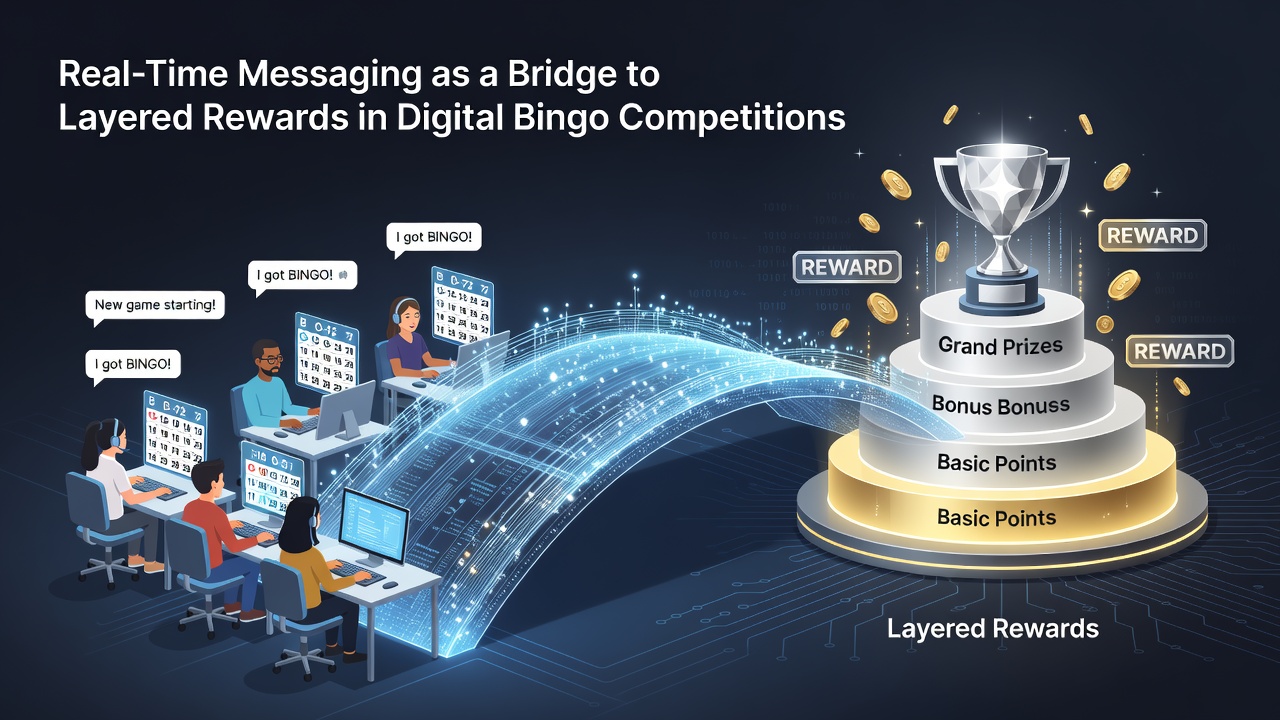
Real-Time Messaging as a Bridge to Layered Rewards in Digital Bingo Competitions
Real-time messaging connects players to layered reward systems in digital bingo by enabling immediate updates on progress, promotions, and tier advancements. Platforms integrate chat functions that deliver notifications about bonus triggers, VIP level ups, and entry requirements for competitive draws, which keeps participants engaged across multiple reward stages without requiring them to leave the main game screen.
How Messaging Supports Reward Layering
Digital bingo operators structure rewards in tiers that unlock through consistent play and specific actions, and real-time messaging serves as the direct channel for confirming those milestones. When a player completes a pattern or meets a deposit threshold, the system sends an instant message that outlines the next available layer, including details on prize multipliers or exclusive tournament access. This approach reduces the time between achievement and reward claim, which data from industry reports shows improves retention rates in mobile-enabled rooms.
Studies from research institutions indicate that players who receive prompt confirmations via messaging participate in more events per session. Observers note that the combination of live chat and automated alerts creates pathways where initial signup incentives lead directly into ongoing prize structures, while support agents use the same channels to guide users toward higher tiers during peak hours.
Integration Patterns Observed in 2026
In August 2026, platform analytics revealed increased adoption of unified messaging systems that link chat activity to reward accumulation. Operators reported that users who engaged with instant messages about layered promotions entered 25 percent more jackpot events compared to those relying solely on email notifications. These systems track message interactions as behavioral signals, which then feed into algorithms that adjust reward offers based on response speed and frequency.
One study conducted across European markets found that bingo halls using integrated messaging saw higher conversion from free-to-play modes into paid competitions, because the chat interface highlighted exact steps for unlocking subsequent reward layers. The same report, published by the European Gaming and Betting Association, documented how real-time updates on tier progress encouraged players to maintain activity levels that aligned with monthly event calendars.
Technical Mechanisms Behind the Bridge
Backend systems connect messaging services to player databases through APIs that push personalized content at key moments, such as after a bingo win or when a deposit qualifies for a new tier. These connections allow operators to display layered rewards in context, for example showing how current chat participation counts toward bonus multipliers or exclusive draw entries. Players receive messages that detail eligibility criteria, remaining requirements, and direct links to the relevant competition lobby.
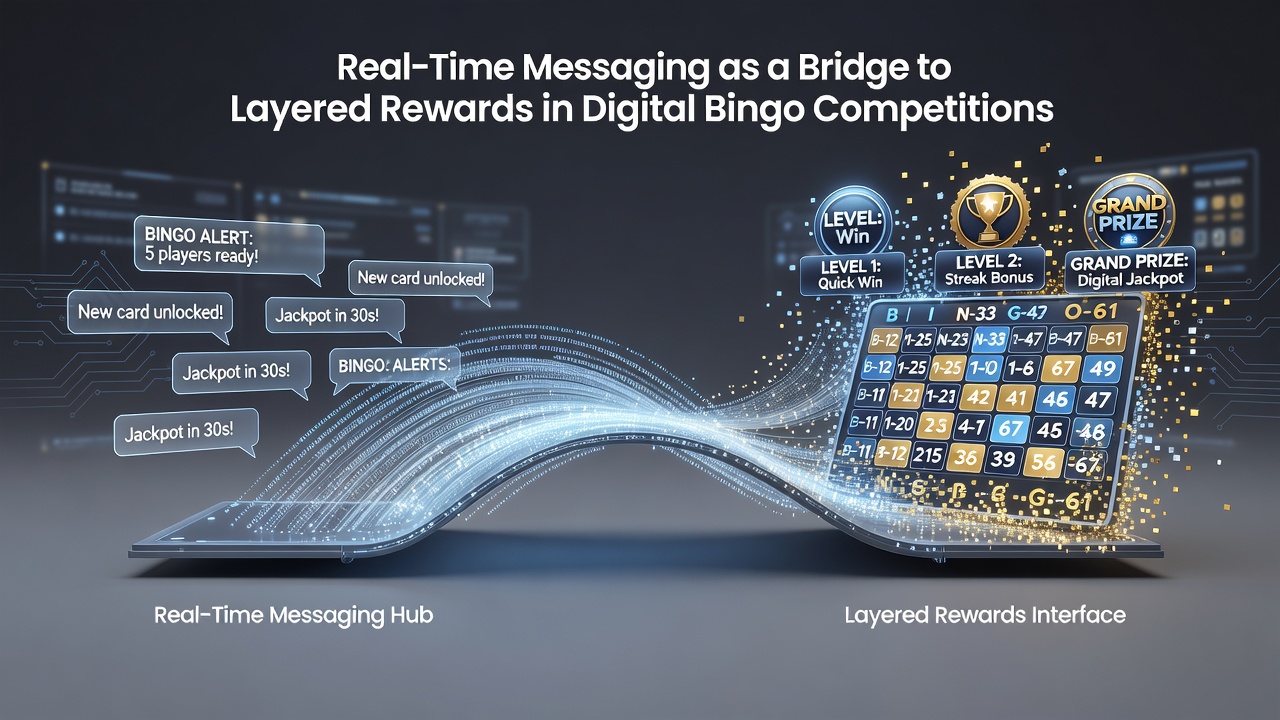
Developers design these integrations to handle high volumes during evening peak times, when multiple users might simultaneously reach new reward thresholds. The architecture prioritizes low-latency delivery so that confirmations arrive within seconds, which maintains the flow between game rounds and reward management. According to figures released by the Remote Gambling Association, platforms that optimized this messaging-to-reward pipeline recorded measurable increases in average session length during the first half of 2026.
Player Pathway Examples Across Regions
Take one operator in the Asia-Pacific region that implemented messaging prompts tied to deposit flexibility and tiered jackpots. Players received targeted messages after each qualifying action, which outlined how the current layer contributed to the next prize chase. The result was a documented rise in cross-tier movement, as users followed the guidance embedded in the chat without needing to consult separate menus or support tickets.
Similar patterns appear in North American markets, where regulators such as the Nevada Gaming Control Board track compliance in reward communication. Messaging systems there must clearly state terms for each layer, yet the real-time format allows operators to present this information alongside live game data. Those who've examined transaction logs note that players often respond to these combined messages by adjusting their next deposit or entry amount to reach the subsequent reward stage.
Future Developments and Data Trends
Industry projections for late 2026 point toward expanded use of AI-assisted messaging that predicts when a player is close to a reward layer and delivers proactive guidance. This builds on existing patterns where chat volume correlates with higher participation in competitive events. Research from the University of Nevada, Reno gaming studies program shows that clear, immediate messaging reduces drop-off between reward tiers by providing context at the moment of decision.
Operators continue to refine how messaging bridges the gap between basic play and advanced competitions, particularly in markets where mobile access drives the majority of entries. The data indicates sustained interest in systems that combine live interaction with visible progress toward layered incentives, which supports broader platform growth without introducing new friction points for users.
Conclusion
Real-time messaging functions as a functional connector between player actions and the layered reward structures common in digital bingo competitions. By delivering timely information on tier status, eligibility, and next steps, these systems support the progression pathways that operators have established across multiple regions. Continued monitoring through 2026 will show how refinements in message timing and content affect overall engagement metrics in this segment of the gaming market.