How Deposit Flexibility Unlocks Tournament Entries and Jackpot Access in Digital Bingo Rooms
Wendy Hoffmann · Jun 21, 2026
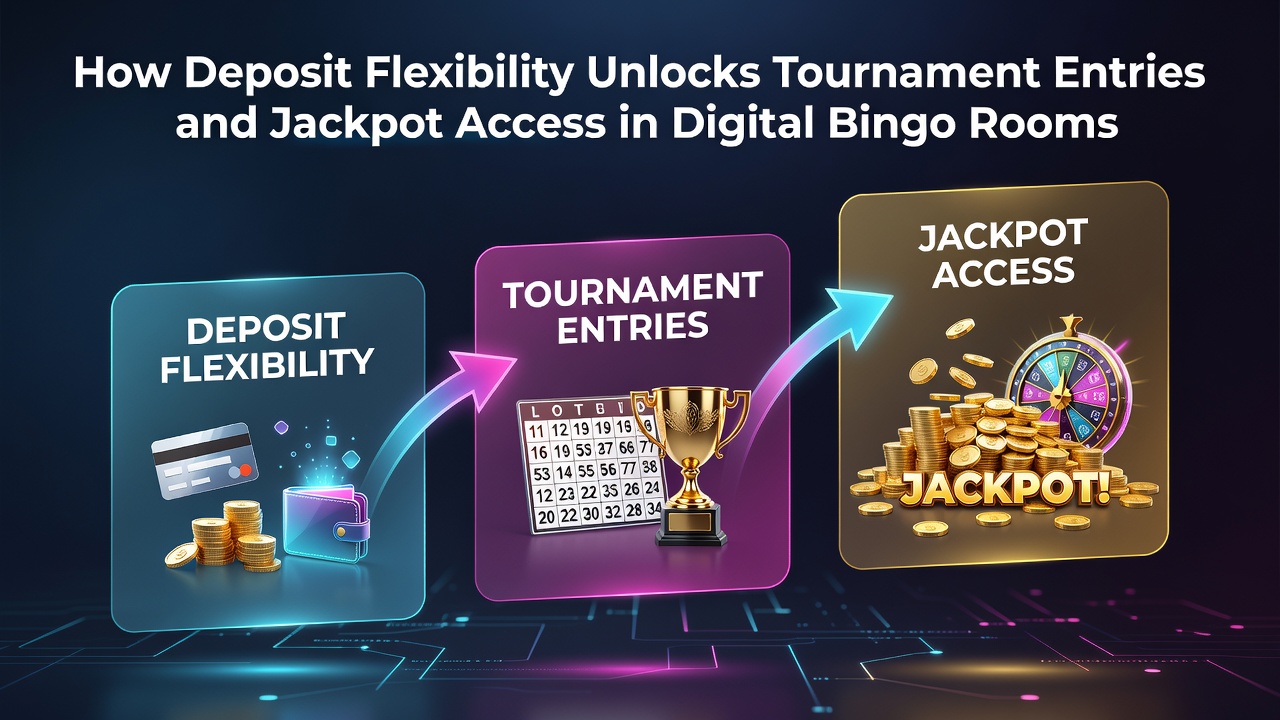
How Deposit Flexibility Unlocks Tournament Entries and Jackpot Access in Digital Bingo Rooms
Digital bingo platforms continue to expand features that adjust how players fund accounts, and deposit flexibility stands out as one mechanism that connects directly to tournament participation and jackpot eligibility across multiple regions. Operators structure these options through tiered minimum deposits, split-payment tools, and integration with various payment processors, which in turn shape access to competitive formats that require upfront commitments.
Mechanics of Deposit Flexibility in Bingo Platforms
Deposit flexibility refers to systems that let users select from graduated amounts, recurring micro-transfers, or bundled options tied to specific game modes rather than enforcing single large sums. Platforms implement these through APIs that connect banking partners, e-wallets, and prepaid cards, allowing adjustments based on player history or regional regulations. Data from operators in North America and Europe shows that such configurations increase account activity rates because players can align contributions with their immediate financial plans instead of waiting for larger lump sums.
Research from the Alcohol and Gaming Commission of Ontario indicates that accounts with access to multiple deposit increments record higher rates of entry into scheduled events compared to those limited to fixed thresholds. This pattern holds because tournament organizers often set entry fees at levels that align with common deposit sizes, reducing friction for participants who prefer smaller, repeated actions over one-time transfers.
Connections to Tournament Entry Requirements
Tournament structures in digital bingo typically list entry fees that range from nominal amounts to higher stakes, and flexible deposits enable players to meet these thresholds without disrupting other spending patterns. When platforms permit partial funding that accumulates toward a required total, more accounts qualify for registration windows that open days or weeks ahead of events. Observers note that this approach expands the pool of eligible entrants, particularly in markets where banking hours or transaction limits previously created delays.
Platforms in Canada and Australia have introduced deposit schedules that sync with weekly tournament calendars, allowing users to fund entries across several days. Figures from industry reports reveal that such alignments correlate with sustained participation numbers even during periods of economic variability, because players maintain steady account balances without exceeding personal caps on single transactions.
Jackpot Access Through Flexible Funding Structures
Jackpot pools in digital bingo rooms frequently tie eligibility to deposit frequency or cumulative totals within defined periods, and flexible systems remove barriers that once excluded accounts with irregular funding habits. Operators configure progressive jackpots so that qualifying deposits can arrive through any approved method, provided the total meets published criteria. This setup means players using smaller increments can still accumulate the necessary activity markers that trigger jackpot entry.

Studies conducted by researchers at the University of Nevada, Reno, examined how deposit timing affects jackpot qualification rates and found that accounts permitted to spread contributions across multiple sessions showed consistent qualification patterns. The findings highlight that flexible deposit tools reduce instances where players miss qualification periods due to processing delays or minimum amount restrictions imposed by traditional banking channels.
Regional Examples and Platform Adaptations
European operators under Malta Gaming Authority oversight have tested deposit bundles that combine standard play funds with tournament credits, creating direct pathways to competitive formats. These bundles activate automatically once a user selects a flexible payment plan, and eligibility updates appear in real time on player dashboards. Similar adaptations appear in Australian markets where operators link deposit flexibility to state-specific jackpot regulations, ensuring compliance while broadening access.
One documented case involved a platform that adjusted its deposit slider to include tournament-specific increments, resulting in measurable upticks in registered participants for mid-week events. Data collected over six months showed that accounts using the new increments maintained activity levels through seasonal fluctuations, including periods leading into June 2026 when several operators plan interface updates to further streamline funding options.
Regulatory and Technical Considerations
Regulatory frameworks in multiple jurisdictions require operators to maintain clear records of deposit flows, and flexible systems incorporate audit trails that track each increment separately. Technical implementations rely on secure tokenization and real-time balance updates so that tournament and jackpot systems receive accurate eligibility data without manual intervention. Industry associations such as the European Gaming and Betting Association have published guidelines that encourage transparent display of how deposit choices affect access to restricted features.
These guidelines emphasize that players receive notifications when cumulative deposits reach thresholds for jackpot pools or tournament brackets, which reduces confusion and supports informed decision-making. Platforms that adopted these notification standards report fewer support queries related to eligibility mismatches.
Conclusion
Deposit flexibility operates as a structural element that aligns player funding behaviors with the entry conditions of tournaments and jackpots in digital bingo environments. Through graduated options, synchronized payment tools, and regulatory-compliant tracking, platforms create measurable pathways that expand participation opportunities across diverse markets. Continued refinements scheduled around mid-2026 aim to integrate additional payment rails while preserving the core connection between funding flexibility and competitive access.