Bingo Game Development Costs Projected for 2026 Reveal Wide Range Across Platforms and Features
Riley Otto · Jul 19, 2026
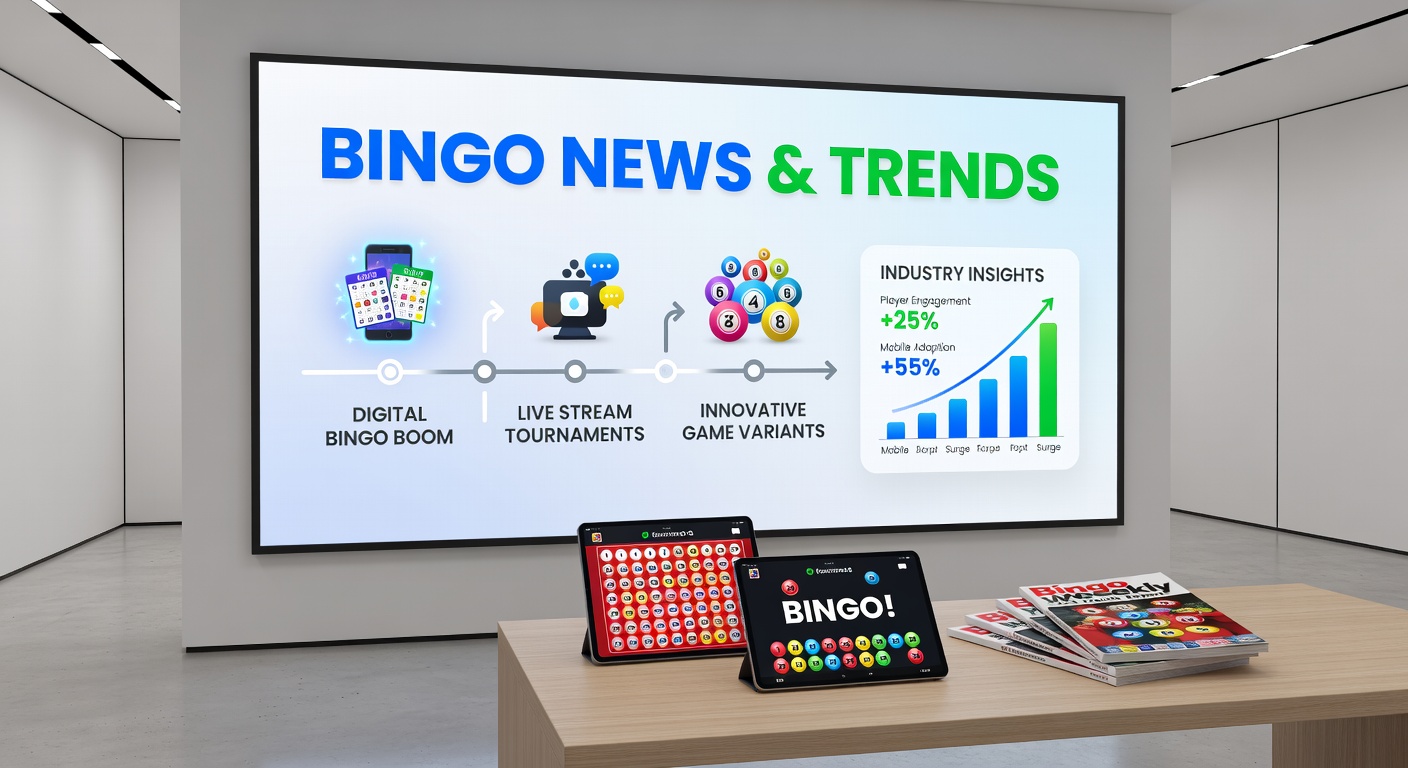
Bingo Game Development Costs Projected for 2026 Reveal Wide Range Across Platforms and Features
Developers planning bingo titles in 2026 face cost estimates that stretch from $8,000 for straightforward web-based versions up to $150,000 when building advanced cross-platform real-money applications that incorporate crypto payments along with AR and VR elements, according to detailed projections released this year.
Those figures come from an industry analysis that breaks down expenses by platform choice, feature complexity, design requirements, and technology decisions. The report highlights how basic browser games remain the most affordable entry point while full-featured mobile and desktop experiences with real-money capabilities push budgets significantly higher.
Platform Choices Drive Initial Cost Differences
Web-based bingo games built for browsers start at the lower end of the spectrum because they require fewer compatibility layers and simpler backend integrations. In contrast, cross-platform titles that run on both iOS and Android alongside desktop browsers demand additional testing cycles and unified codebases that increase overall spending.
Observers note that teams often begin with a single platform before expanding, which allows incremental budget allocation rather than committing to full multi-device support from day one. Data indicates that starting narrow keeps early-stage costs closer to the $8,000 mark before scaling occurs.
Feature Sets Determine Where Projects Land on the Price Scale
Basic implementations typically include standard number calling, ticket purchasing, and simple chat functions, keeping development within the lower cost bracket. Advanced versions add layers such as cryptocurrency transaction processing, augmented reality overlays for live draws, and virtual reality environments that place players inside digital bingo halls, driving totals toward the $150,000 ceiling.
Each added capability requires specialized programming, security audits, and compliance checks that compound expenses. Those who've studied similar projects find that real-money features alone can double or triple baseline budgets because of regulatory and payment gateway requirements.
Design and Technology Decisions Shape Final Budgets
Visual design plays a measurable role, with custom animations, branded interfaces, and accessibility features adding line items that basic templates avoid. Technology stacks receive particular attention in the analysis, where Unity appears as a common choice for projects needing smooth cross-platform performance and 3D elements.
Unity's asset ecosystem and rendering capabilities allow teams to reuse code across devices, yet licensing and optimization work still factor into total costs. Alternative engines or custom frameworks sometimes lower upfront fees but may extend development timelines when specialized bingo mechanics must be built from scratch.

Geographic Location Influences Development Pricing
Developer location remains one of the clearest variables in the cost equation. Teams based in India frequently deliver comparable functionality at reduced rates compared with studios in North America or Western Europe, primarily due to differences in hourly compensation and operational overhead. The report notes that outsourcing portions of artwork or backend work to lower-cost regions can trim overall project expenses without sacrificing core quality.
Companies that combine onshore project management with offshore engineering often achieve balanced outcomes, maintaining oversight while accessing competitive pricing structures. Those who've examined multiple case studies report savings between 30 and 50 percent when strategic location choices are applied early in planning.
Market Growth Projections Provide Context for Investment Decisions
Global lottery and bingo market outlook data shows continued expansion through 2026, with rising participation in digital formats supporting the case for measured development spending. Global lottery and bingo market outlook figures indicate that mobile and online channels account for increasing shares of overall activity, which encourages studios to allocate resources toward features that match player preferences.
Projections also highlight opportunities in emerging payment methods and immersive technologies, aligning with the higher-end cost estimates for projects that include crypto and AR/VR components. As of July 2026, these trends continue to influence budgeting conversations among studios evaluating new bingo titles.
Strategies for Managing and Reducing Development Expenses
The analysis outlines several practical approaches that keep projects within target ranges. Starting with minimum viable products, reusing existing game engines, and prioritizing essential compliance work over optional enhancements all appear as effective tactics. Phased rollouts allow revenue from initial releases to fund later feature additions rather than requiring complete upfront funding.
Clear scope definitions and regular milestone reviews further limit scope creep, which researchers have identified as a frequent driver of budget overruns. Teams that document feature priorities early and revisit them throughout production maintain tighter control over final expenditures.
Conclusion
The 2026 cost breakdown supplies developers and studios with concrete reference points for planning bingo projects across different ambition levels. From modest web implementations to sophisticated real-money platforms with immersive technologies, the range reflects the diversity of options available in the current market. Location strategies, technology selections, and phased development approaches each offer levers for aligning expenses with expected returns as the sector continues its documented growth trajectory.